
Time Management Tips for ITP Students
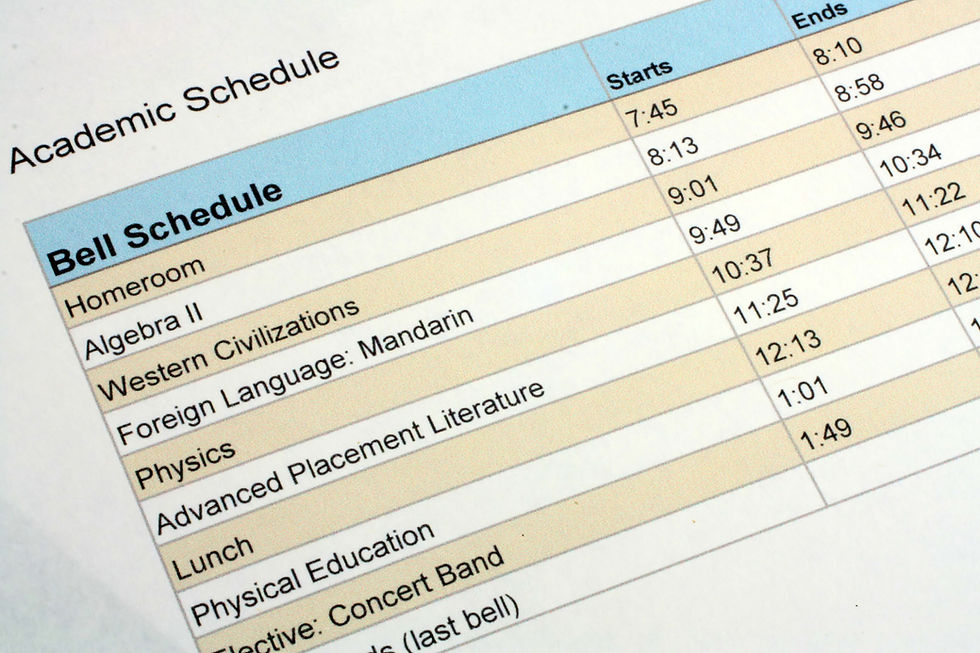

Interpreter Training Program (ITP) students juggle a unique combination of language learning, skill development, academic deadlines, and real-world practice. Because ASL interpreting requires precision, focus, and consistent improvement, strong time management is essential for success. Without a strategic plan, it is easy to feel overwhelmed by assignments, practice sessions, practicum requirements, and personal responsibilities.
This blog offers practical, effective time management tips designed specifically for ITP students who want to stay organized, reduce stress, and make the most of their training experience.
Understand the Demands of an ITP
ITP programs are intense because they require simultaneous growth in several areas:
Receptive and expressive ASL skills
Knowledge of Deaf culture
Ethical decision-making
Interpreting theory
Live interpreting practice
Feedback analysis and self-reflection
Recognizing the level of commitment required helps students plan ahead and avoid falling behind.
Time Management Tips for ITP Students
1. Create a Weekly Practice Schedule
Progress in ASL and interpreting depends on consistent practice. Dedicate specific blocks of time each week to:
ASL immersion activities
Shadowing and retelling
Fingerspelling practice
Watching Deaf content
Interpreting drills
Studying ethics and terminology
Treat practice time like mandatory class time and stick to your schedule.
2. Break Down Assignments and Projects
ITP coursework often includes multi-step projects such as analysis papers, recorded interpretations, and research assignments. Breaking them down into phases prevents last-minute stress. Consider creating small tasks such as:
Research
Outline
First draft
Recording
Editing
Peer review
Spreading tasks across several days or weeks increases quality and reduces overwhelm.
3. Prioritize Skill-Building Activities
It is easy to get caught up in schoolwork and overlook practical ASL interactions. However, live practice has a direct impact on interpreting readiness. Prioritize:
Attending Deaf events
Conversing with fluent signers
Participating in study groups
Practicing with mentors
Watching natural signing
These experiences build fluency, confidence, and cultural competence.
4. Use Visual and Digital Tools for Organization
Time management improves when tasks and deadlines are visible. Try using:
Digital calendars
Task management apps
Color-coded systems
Checklists
Weekly overview sheets
Tracking assignments and practice hours visually helps you stay accountable and see your progress over time.
5. Develop a Routine for Reviewing Feedback
Feedback is a major part of interpreter development. Create a weekly routine where you:
Rewatch recorded interpretations
Analyze errors
Identify recurring patterns
Set goals for improvement
Apply changes in your next practice session
Consistent reflection turns feedback into measurable growth rather than discouragement.
6. Avoid Multitasking
Interpreting requires focus, and time management does too. Multitasking can lead to mistakes, incomplete work, and slower progress. Instead:
Focus on one assignment at a time
Reduce distractions
Work in short, focused time blocks
Take scheduled breaks
This approach improves quality and reduces cognitive overload.
7. Build Rest and Self-Care Into Your Schedule
ITP programs can be mentally and physically demanding. To avoid burnout:
Schedule downtime
Get enough sleep
Rest your hands and eyes
Set boundaries around study time
Engage in non-academic hobbies
A healthy body and mind support stronger interpreting performance.
8. Form Study Groups and Practice Partnerships
Working with other ITP students provides accountability and motivation. Study groups can help with:
Reviewing terminology
Practicing interpreting
Getting peer feedback
Discussing ethical scenarios
Sharing resources
Connecting with classmates makes learning more enjoyable and collaborative.
9. Plan Ahead for Practicum Requirements
Many ITPs require observation hours, volunteer experiences, or supervised interpreting. These opportunities fill up fast, so plan early by:
Scheduling observations in advance
Communicating with your mentor
Making transportation arrangements
Tracking your required hours
Being proactive prevents stressful scrambling near the end of the semester.
10. Set Realistic, Achievable Goals
Strong time management comes from setting goals that match your current skill level. Examples include:
Improving receptive skills by watching ASL content daily
Increasing accuracy in fingerspelling
Practicing specific classifiers
Reducing processing time during interpreting tasks
Clear, measurable goals keep you motivated and focused.
Conclusion
Time management is a critical skill for Interpreter Training Program students. The demands of language acquisition, cultural learning, and interpreting practice require consistent effort and strong organization. By creating schedules, prioritizing meaningful practice, using organizational tools, and maintaining a healthy balance, ITP students can reduce stress and greatly improve their progress.
Developing these time management habits during training also prepares students for the fast-paced, ever-changing world of professional interpreting. With structure, discipline, and support, ITP students can thrive academically and build a strong foundation for a successful interpreting career.


Comments